
Understanding the Elements of Casino Gambling
Casino gambling inherently encompasses two major elements: luck and skill. Luck refers to chance outcomes that are completely out of the player’s control, while skill involves the strategic decisions that a player can make based on knowledge and experience. For instance, in games like slots and roulette, luck plays a dominant role since outcomes are determined by random number generators or spinning wheels. Many players seek out options such as no kyc casinos to enhance their gaming experience and enjoy the thrill without unnecessary hurdles. Players may win or lose based on pure chance, often creating an exhilarating yet unpredictable experience.
On the other hand, skill is more pertinent in games like poker or blackjack, where players can employ strategies to influence the game outcomes. This involves understanding the odds, making calculated bets, and reading opponents. For example, in poker, a player’s ability to bluff or to calculate the potential of their hand can significantly affect the results of a game. Thus, the balance between luck and skill varies widely depending on the type of game being played.
Additionally, many players enter casinos with the misconception that luck is the only factor at play. This belief can lead to impulsive gambling habits and poor decision-making. In reality, acquiring fundamental skills and understanding the games can enhance a player’s experience and potentially increase their chances of winning. Educating oneself on the nuances of different games can pave the path toward a more strategic approach to gambling.
The Influence of Luck in Casino Games
Luck often reigns supreme in many popular casino games, particularly those that rely on random outcomes. Games such as slot machines and roulette are perfect examples, where the results are governed entirely by chance. Players who engage in these games often find themselves enthralled by the thrill of the unexpected. The randomness of outcomes can lead to massive wins, but it can quickly lead to losses as well, emphasizing that luck is an unpredictable force in gambling.
Moreover, luck’s volatility heightens the excitement of casino gambling. Whether it’s hitting a jackpot on a slot machine or winning a bet on a roulette color, the immediacy of luck-driven rewards can create an adrenaline rush that few other experiences provide. Interestingly, this aspect of luck can shape player behaviors, encouraging them to gamble repeatedly in the hope that fortune will smile upon them again. It fosters a compelling cycle of risk and reward that captivates casino-goers worldwide.

Despite the central role of luck, it’s essential for players to remain aware of its limits. Many people mistakenly believe that they can influence luck through superstitions or rituals, such as wearing lucky charms or choosing specific numbers. While these beliefs can enhance the personal enjoyment of gambling, they do not statistically alter the odds. Recognizing the nature of luck can lead to responsible gambling habits, allowing players to enjoy the thrill without falling into the traps of unrealistic expectations.
The Role of Skill in Strategic Gambling
While luck may be a predominant factor in many casino games, the importance of skill cannot be understated, especially in games that require strategic thinking. In poker and blackjack, knowledge of game strategies can greatly enhance a player’s odds. Understanding probability, learning to read opponents, and knowing when to take risks are critical skills that can lead to sustained success in these games.
For instance, in blackjack, players can employ strategies such as card counting to gain an edge over the house. This technique requires a keen understanding of how to track the ratio of high cards to low cards remaining in the deck, allowing skilled players to make informed decisions about their betting. Such strategic methods can turn the tide in favor of skilled players, showcasing that a deep knowledge of the game can significantly outweigh the whims of luck.
Additionally, proficiency in skill-based games tends to reward players over time. While luck can lead to short-term wins, skill offers a more sustainable path to success through informed decision-making and strategic play. As a result, serious gamblers often invest time in studying their games, analyzing strategies, and practicing to improve their skills, demonstrating a commitment that extends beyond mere chance.
The Dynamic Between Luck and Skill
The interplay between luck and skill in casino gambling is complex, with both elements continuously influencing outcomes. For instance, a skilled poker player may have the superior strategy but can still fall victim to sheer luck when the cards are dealt unfavorably. Conversely, an inexperienced player can hit a significant jackpot purely by chance, showcasing that luck can sometimes overshadow skill. This dynamic keeps the games exciting and unpredictable, catering to a wide range of players.
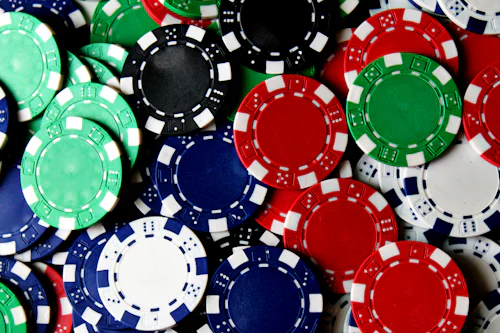
Moreover, the balance of luck and skill can impact player psychology. Individuals who view their successes or failures as dependent on skill are more likely to engage in responsible gambling practices, as they believe their decisions affect the outcomes. In contrast, those who see their results as dictated by luck might gamble without caution, potentially leading to detrimental habits. Understanding this dynamic is crucial for both players and casinos to foster a healthy gambling environment.
Additionally, casinos often design games to strike a balance between skill and luck to appeal to diverse audiences. By offering a variety of games that cater to both casual players who prefer luck-based games and skilled players who enjoy strategy, casinos create an inclusive environment. This approach not only encourages participation but also ensures that players have options according to their preferences and skill levels.
Your Guide to Responsible Gambling
For those looking to explore the thrilling world of casino gambling, it’s vital to approach it with both excitement and responsibility. Understanding the roles of luck and skill can lead to a more enriching experience. Players are encouraged to educate themselves about different games, as knowledge can enhance the excitement of play while allowing for better decision-making.
Moreover, knowing your limits is crucial. Engaging in gambling for entertainment rather than viewing it as a guaranteed way to win can help maintain a healthy perspective. Setting budgets and sticking to them can prevent the pitfalls of gambling, particularly those stemming from the allure of luck. Responsible gambling emphasizes enjoyment over financial gain, allowing players to savor their experiences without adverse consequences.
As you delve into the diverse offerings of casino games, remember that whether you’re relying on luck or honing your skills, the journey should be enjoyable. Familiarizing yourself with the mechanics of each game, practicing patience, and understanding the potential outcomes can lead to a thrilling and positive gambling adventure that respects both excitement and responsibility.